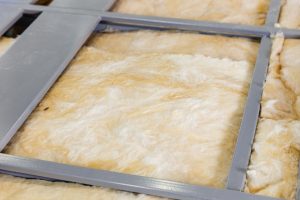
The most common types of insulation are blown-in cellulose, fiberglass batts, and spray foam (open and closed-cell). For Cincinnati’s climate, blown-in cellulose is often the best choice due to its high R-value, superior fire resistance, and cost-effective air sealing in both residential attics and commercial retrofits.
Proper insulation is the backbone of any comfortable, energy-efficient building. Whether you are managing a commercial warehouse in Northern Kentucky or upgrading a historic home in Cincinnati, the material you choose impacts your long-term energy bills, indoor air quality, and fire safety.
In this guide, Valley Insulation compares the primary types of insulation used in buildings—including cellulose, fiberglass, and spray foam—to help you determine the best fit for your walls, ceilings, and crawl spaces.

The Main Types of Insulation in 2026
Understanding the types of insulation available is the first step in optimizing your property. Here are the core materials used in modern constructions and retrofits.
Blown-In Cellulose Insulation
Cellulose insulation is made from recycled paper products treated with borates for fire and pest resistance. It is “blown” into cavities or across attic floors using specialized equipment.
- R-value: Approximately 3.2–3.8 per inch.
- Best For: Attic floors, existing wall retrofits (dense-pack), and commercial ceilings.
- Fire Rating: Class A Fire Rated; it chars rather than melts or burns.
Fiberglass (Batts and Blown-In)
Fiberglass is composed of extremely fine glass fibers. It comes in pre-cut blankets (batts) or loose-fill for blowing.
- R-value: Approximately 2.2–2.9 per inch (blown); 3.0–3.8 (batts).
- Best For: New construction stud walls and simple attic upgrades.
- Fire Rating: Non-combustible, though the paper facing on batts can be flammable.
Spray Foam Insulation
Spray foam is a chemical product (polyurethane) that expands upon application. It comes in two forms: open-cell (flexible and lighter) and closed-cell spray foam insulation (dense and moisture-resistant).
- R-value: 3.5–3.8 (open-cell); 6.0–7.0 (closed-cell) per inch.
- Best For: Tight rim joists, sloped roof decks, and specialized commercial applications.
- Fire Rating: Combustible; typically requires a thermal barrier (like drywall) for safety.
Mineral Wool and Rigid Foam Board
Mineral wool offers excellent sound dampening and high heat resistance. Rigid foam boards are typically used in new commercial wall assemblies or under-slab applications to provide a continuous thermal break.

Commercial Insulation Types and Applications
Choosing between types of insulation for commercial applications requires balancing R-value targets with strict building codes and operational costs.
Commercial Ceiling and Roof Insulation
In Cincinnati warehouses and offices, the ceiling is the primary source of heat loss.
- Warehouse Decks: Often utilize spray foam or specialized cellulose to adhere to the underside of metal decks.
- Drop Ceilings: Blown-in cellulose provides an excellent acoustic and thermal layer over T-bar ceilings in office environments.
- Comparison: While spray foam offers high R-values, cellulose is often preferred for its superior sound control and lower installed cost in large-scale commercial spaces.
Commercial Wall Insulation Types
For metal stud walls or masonry retrofits, the choice of material impacts moisture management.
- New Construction: Fiberglass batts are common, but “drill-and-fill” cellulose is increasingly popular for its ability to fill gaps around electrical conduits and plumbing.
- Retrofits: Valley Insulation specializes in injecting dense-pack cellulose into existing commercial walls, providing an immediate boost to comfort without major demolition.
Roof and Specialty Applications
Closed-cell spray foam insulation is often reserved for high-moisture areas or the underside of low-slope roofs where a vapor barrier is required. However, for most general building envelope needs, Valley Insulation recommends cellulose for its fire safety and ease of future maintenance.
Need a commercial bid? Contact Valley Insulation for a professional spec review.

Residential Application Types by Area of the Home
Homeowners in the Greater Cincinnati area face unique challenges, from humid summers to freezing winters.
Attic Insulation (Open, Finished, and Kneewall Spaces)
The attic is the most cost-effective place to upgrade your attic insulation in Cincinnati.
- Open Attic Floors: Blown-in cellulose creates a seamless “blanket” that fills every nook, outperforming fiberglass batts, which often leave gaps.
- Ice Dam Prevention: Cellulose, combined with proper air sealing, keeps heat out of the attic, preventing the snow-melt cycles that cause ice dams on Cincinnati roofs.
Wall Insulation in Existing and New Homes
Many older homes in our region have empty wall cavities. We use blown-in insulation in Cincinnati, OH, to fill these spaces without removing drywall. Dense-pack cellulose provides a significant advantage over spray foam in older homes because it is “breathable” and won’t trap moisture against aging wood frames.
Crawl Space and Lower-Level Insulation
Insulating the floor above a crawl space or sealing the crawl space walls can eliminate cold floors. While fiberglass is often used here, it can sag and trap moisture. We recommend professional air sealing and high-density materials to ensure your crawl space stays dry and energy-efficient.
Stop the drafts today. Schedule your home insulation audit.

Material Comparison Table: Cellulose vs. Spray Foam vs. Fiberglass Insulation
Feature | Cellulose (Blown-In) | Closed Cell Spray Foam | Fiberglass (Batts/Blown) |
R-value per inch | 3.2 – 3.8 | 6.0 – 7.0 | 2.2 – 3.8 |
Fire Performance | Class A (Borate treated) | Combustible (Needs barrier) | Non-combustible (Fibers) |
Air Sealing | Excellent (Dense-pack) | Superior (Total seal) | Poor (Air passes through) |
Moisture Behavior | Permeable/Manages well | Vapor Barrier | Permeable/Can trap mold |
Installed Cost | $ (Cost-Effective) | $$$ (Expensive) | $ (Budget) |
Best For | Attics, Retrofit Walls | Roof Decks, Tight Spaces | New Stud Walls |
What’s the Difference Between Spray Foam and Blown-In Insulation?
For the deep dive breakdown, check out our guide on spray foam insulation vs. blown-in insulation. But here’s a basic summary for Northern Kentucky and Greater Cincinnati residents to consider.
Performance, Comfort, and R-Value
While closed-cell spray foam insulation has a higher R-value per inch, it is significantly more expensive. For most Cincinnati attics, you can achieve the same “real-world” comfort by using a thicker layer of dense-pack cellulose at a fraction of the cost. Cellulose also provides a superior acoustic barrier, blocking street noise more effectively than foam.
Fire, Health, and Building Safety
Safety is a major differentiator. Cellulose is treated with borates, which are non-toxic to humans but highly resistant to fire and pests. Spray foam is a chemical combustible; if a fire starts, it can release toxic smoke unless covered by a 15-minute thermal barrier. Furthermore, cellulose is a “green” product made from recycled materials, whereas foam is petroleum-based.
Cost, Lifecycle, and Maintenance
Spray foam is permanent. If you need to rewire your home or repair a pipe, removing foam is a nightmare. Cellulose is serviceable: it can be moved aside and replaced easily. For the lifecycle of a Cincinnati home, cellulose offers the most flexibility for future renovations.

Cincinnati Climate and Insulation Best Practices
R-Values and Building Code Targets
In our region (Climate Zone 4/5), the Department of Energy recommends R-13 to R-20 for exterior walls. Achieving this with cellulose insulation in Cincinnati typically requires about 15–18 inches of material, providing a thermal cap that keeps your home stable year-round.
Common Local Challenges
- Ice Dams: Our freeze-thaw cycles are brutal. Blown-in cellulose is the best defense against the heat loss that causes ice dams.
- Humidity: Cincinnati’s summer humidity can lead to mold in fiberglass. Cellulose’s moisture-regulated properties help protect your wood framing.
- Older Homes: From Over-the-Rhine to Covington, our historic buildings need “breathable” insulation. Cellulose is the safest choice for 100-year-old brick and timber.
Why Greater Cincinnati Loves Cellulose
Cellulose outperforms other materials in Cincinnati because it offers the best balance of sound control, fire resistance, and affordability. Unlike spray foam, it involves no harsh odors or permanent chemical bonds to your structure.

How to Choose Between Different Types of Insulation
- Choose Cellulose when: You want the best value for attic upgrades, need to insulate existing walls, or prioritize fire safety and soundproofing.
- Choose Fiberglass when: You are on a strict budget for a new DIY garage project or simple new construction walls.
- Choose Spray Foam when: You have a specific “hot roof” design, extremely limited space, or need a vapor barrier in a high-moisture mechanical room.
Types of Insulation FAQs
The primary types of insulation are cellulose (recycled paper), fiberglass (glass fibers), and spray foam (polyurethane). Each has different R-values and installation methods.
Blown-in cellulose is widely considered the best for Cincinnati attics. It handles our humidity well, provides excellent fire resistance, and fills gaps better than fiberglass batts.
Blown-in cellulose is a loose-fill, treated paper product that is cost-effective and fire-resistant. Spray foam is a chemical liquid that expands into a hard or flexible plastic; it offers a higher R-value per inch but at a much higher cost.
Only in specific cases. For most residential attics and walls, the high cost of spray foam does not provide a significantly better return on investment than a well-installed layer of cellulose.
Borate-treated cellulose is Class A fire-rated and does not melt. Fiberglass is non-combustible. Spray foam is combustible and generally requires an additional fire barrier for safety.
If you have high energy bills, inconsistent room temperatures, or visible “settling” where your insulation is below the floor joists, it’s time for an upgrade.
Ready to optimize your building’s performance?
Valley Insulation is the trusted partner for homeowners, general contractors, and other commercial and residential partners in the Ohio River Valley. Reach out online or give us a call at (513) 353-4100 to get started.