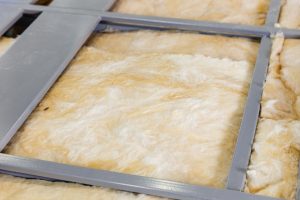
For manufacturers in the Greater Cincinnati area, energy is often one of the highest line-item expenses. In the tri-state’s humid summers and freezing winters, inefficient industrial insulation wastes money and threatens process consistency, equipment longevity, and worker safety.
At Valley Insulation, we understand that a food processing plant in Northern Kentucky has vastly different needs than a precision machining shop in Blue Ash. The right insulation strategy is your first line of defense against rising overhead and unpredictable production environments. Keep reading to explore your options with the insulation experts.
What Are the Requirements for Industrial Insulation?
Industrial insulation refers to specialized materials and application methods designed to control heat transfer in high-demand environments. Unlike standard residential or light commercial insulation, industrial solutions must withstand extreme temperatures, mechanical vibration, and rigorous safety standards, like OSHA requirements.
In a typical factory, this involves a comprehensive approach to:
- Process Piping: Keeping liquids and gases at precise temperatures.
- Exterior Envelopes: Insulating metal walls and expansive roof decks.
- Mechanical Rooms: Containing heat and noise from boilers, chillers, and compressors.
By prioritizing these areas, facilities can significantly reduce thermal loss and ensure that HVAC systems aren’t working overtime to combat poorly insulated shells.
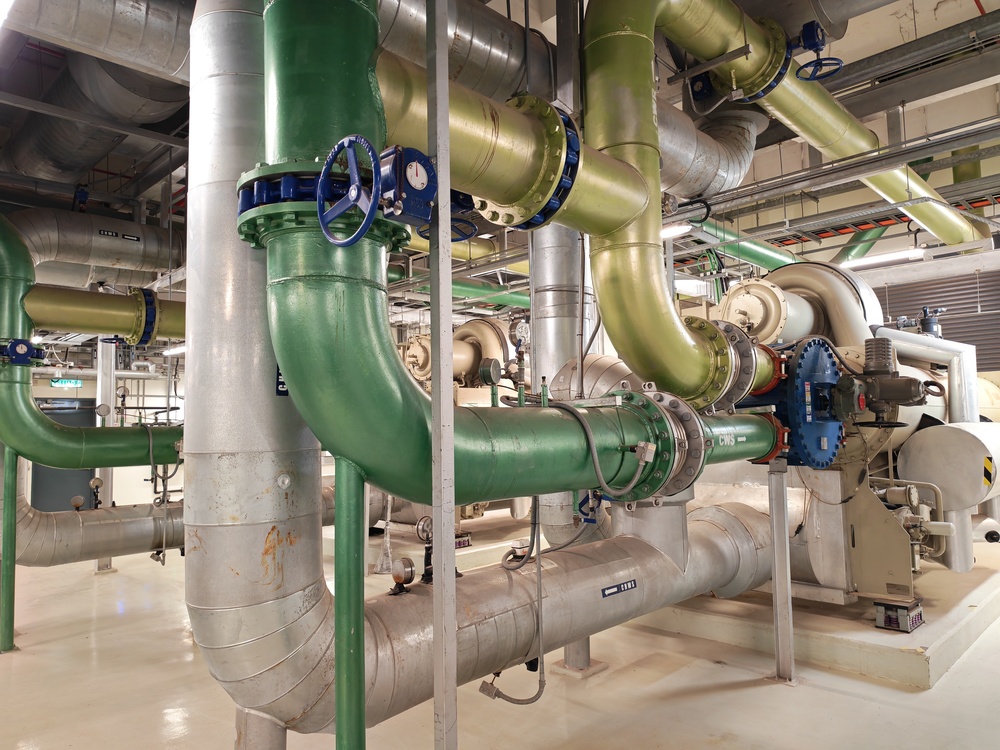
Pipe Insulation Options for Manufacturing Facilities
Pipe insulation is essential to prevent condensation, reduce energy loss, and protect workers from burns. In industrial settings, it ensures that steam stays hot and chilled water stays cold as it travels through miles of facility piping.
Hot and Chilled Water Lines
For standard temperature control, materials like fiberglass or closed-cell foam are common. Fiberglass is excellent for heat retention, while closed-cell foam is a go-to for chilled lines because it acts as a built-in vapor barrier, preventing “pipe sweat” that can lead to corrosion and mold in humid Ohio Valley summers.
Process Piping and Steam Lines
High-heat applications, such as steam loops for food processing or chemical manufacturing, require heavy-duty solutions like mineral wool or calcium silicate. These materials provide superior fire resistance and can handle temperatures that would melt standard commercial products. Proper insulation here isn’t just about efficiency; it’s about personnel protection, ensuring a staff member doesn’t suffer a recordable injury just by brushing against a pipe.
Wall Insulation for Industrial and Commercial Buildings
Wall insulation in factories provides a thermal break that stabilizes indoor temperatures and reduces the acoustic “echo chamber” effect common in large metal buildings. It prevents moisture from bridging across metal panels, which can lead to structural rust.
Exterior Wall Insulation
Many factories in Cincinnati and Northern Kentucky use pre-engineered metal buildings or masonry. For these structures, we often recommend continuous insulation or retrofit blown-in solutions. Filling wall cavities or adding a rigid thermal layer prevents “thermal bridging,” where heat escapes through the steel studs or masonry ties.
Interior Partitions and Sound Control
Industrial environments are loud. Using batt or blown-in insulation in interior partitions provides sound deadening and helps separate high-decibel production floors from quality control labs and administrative offices. This improves focus and ensures your office staff doesn’t need earplugs to function.

Roof and Ceiling Insulation for Greater Cincinnati Factories
In a large-footprint facility, the roof is the primary site of energy loss. Because heat rises, a poorly insulated ceiling acts like an open chimney in the winter, while the summer sun turns the roof deck into a massive radiator that bakes your inventory and your team.
Metal Roofs and Low-Slope Commercial Roofs
For flat or low-slope roofs, adding high-R-value rigid board insulation above the deck is standard for new builds. For existing facilities, Valley Insulation provides retrofit options that can be installed beneath the roof deck, providing a cost-effective way to upgrade your R-value without a full roof replacement.
Exposed Structure and High-Bays
In high-bay warehouses, air stratification causes hot air to pool at the ceiling while the floor remains cold. High-performance ceiling insulation, combined with proper air sealing, helps keep conditioned air where your people are, significantly lowering your monthly utility spend.
How Industrial Insulation Supports Energy Savings and Reliability
Upgrading your industrial insulation provides a measurable ROI through:
- Lower Utility Bills: Immediate reduction in gas and electric consumption.
- Process Stability: Maintaining exact temperatures for paint lines, food batches, or chemical reactions.
- Worker Retention: A comfortable, quiet plant floor is a more productive and safer place to work.
According to a National Insulation Association report, “properly designing, installing, and maintaining an insulation system can yield an annual rate of return that is more than 100%, making it one of the most beneficial investments your facility can make.
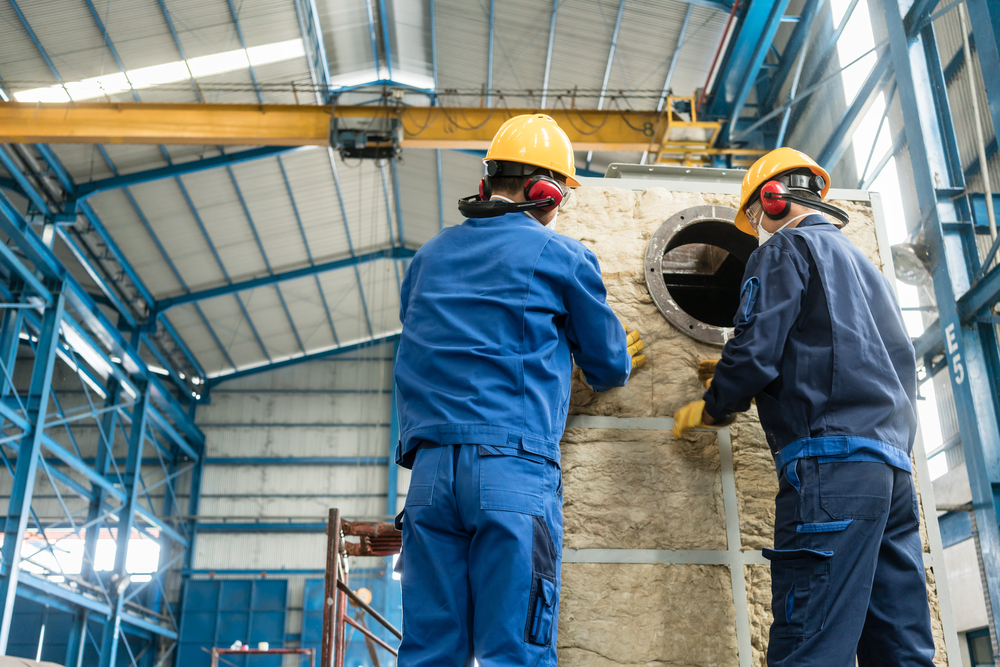
Why Manufacturers Partner With Valley Insulation
Valley Insulation isn’t just a contractor; we are your local partners in facility efficiency. We have spent decades serving the tri-state area, from Northern Kentucky to Dayton, helping plant managers navigate the complexities of commercial building insulation.
- Retrofit Specialists: We know how to work around active production lines and tight shutdown windows.
- Trade Coordination: We work seamlessly with GCs and mechanical contractors to keep your project on schedule.
- Local Expertise: We understand Cincinnati’s specific building codes and the challenges of our “four seasons in one week” climate.
Ready to optimize your facility? Request a free industrial insulation assessment today. Whether you are planning a new industrial construction project or need to retrofit an aging plant, Valley Insulation is ready to help.
Industrial Insulation FAQs
The “best” depends on the application, but high-density fiberglass and mineral wool are industry standards for their fire ratings and thermal performance. In our region, ensuring you have a high R-value and a moisture-resistant vapor barrier is critical due to high humidity.
Modern Cincinnati energy codes often require a minimum of R-30 for commercial roofs, though many high-efficiency facilities aim for R-40 or higher. We can assess your current levels and recommend an upgrade that balances cost with energy savings.
Look for “sweating” (condensation), ice buildup on chilled lines, or hot spots in the air. If the insulation is crumbling, water-stained, or missing sections, you are losing money every minute the system runs.
Yes. At Valley Insulation, we specialize in “non-disruptive” retrofits. We coordinate with your facility manager to work during second shifts, weekends, or scheduled maintenance windows to ensure your production remains online.