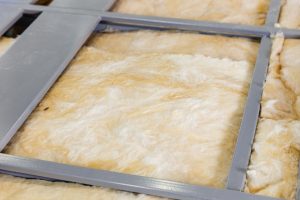
A home can have insulation and still feel drafty, uneven, or difficult to keep comfortable. The problem is often not whether insulation exists, but whether it covers the right areas at the right depth without gaps. Blown-in insulation is designed to fill irregular spaces across attic floors and inside wall cavities, making it a practical option for many Greater Cincinnati homes.
Valley Insulation has served the Ohio River Valley since 1977 and specializes in Nu-Wool cellulose insulation for residential and commercial projects. This guide explains how blown-in insulation works, where it is commonly used, how cellulose compares with fiberglass, and what homeowners should expect from a professional installation.

What Is Blown-In Insulation?
Blown-in insulation is a loose-fill material installed with specialized equipment. The material moves through a hose and is distributed across an open attic or placed inside a wall cavity. Because it is made of small fibers rather than rigid boards or pre-cut batts, it can settle around pipes, framing, wiring, and other obstacles that can create gaps in a traditional installation.
The term describes the installation method, not one single material. The most common blown-in options are cellulose and fiberglass. Valley Insulation specializes in Nu-Wool cellulose because it can provide dense, even coverage in the attic and wall applications the company serves.
Where Does Blown-In Insulation Work Best?
Blown-in insulation is especially useful when the goal is to improve coverage without opening every wall or rebuilding the space. A professional assessment is still important because access, moisture, ventilation, existing material, and the condition of the building all affect the right approach.
- Open attic floors. Loose-fill insulation can create a continuous layer across joists and around common attic obstructions.
- Existing wall cavities. When the wall construction allows it, insulation can be installed through carefully placed access points with limited disruption to finished surfaces.
- New wall assemblies. Wall-spray cellulose can be applied before drywall to fill the cavity evenly around wiring, pipes, and framing.
- Insulation upgrades. New material can sometimes be added over existing attic insulation after the area is inspected and any air, moisture, or contamination issues are addressed.

Cellulose vs. Fiberglass Blown-In Insulation
Cellulose and fiberglass can both be installed as loose-fill insulation, but they are different products. The best choice depends on the building, the application, the target performance, and the installer’s ability to achieve consistent coverage.
Cellulose Blown-In Insulation
Cellulose is made primarily from recycled paper fiber and is treated to improve fire, pest, and mold resistance. Its density helps it settle around irregular spaces and can reduce the gaps that allow indoor air to move into an attic or wall cavity. Valley Insulation uses Nu-Wool cellulose for its blown-in attic and wall work.
Fiberglass Blown-In Insulation
Loose-fill fiberglass is made from fine glass fibers. It is lightweight and commonly used in attic applications. Like any insulation, its performance depends on even coverage, correct depth, moisture control, and avoiding compression. A site assessment can determine whether existing fiberglass can remain in place or should be removed before an upgrade.
For Valley Insulation projects, the recommendation is based on the actual building rather than a one-size-fits-all material comparison. The company specializes in cellulose systems and can explain how that approach fits the home’s attic, walls, and comfort concerns.
Why Valley Insulation Uses Nu-Wool Cellulose
Nu-Wool is a cellulose insulation product made primarily from recycled paper. Valley Insulation is a certified Nu-Wool installer and lists the product at R-3.8 per inch. The product is treated with borate and carries a Class A fire rating.
- Dense coverage. The loose fibers can fill around framing and common obstructions, helping create a more consistent thermal layer.
- Fire and pest resistance. Borate treatment is used to improve resistance to fire and pests.
- Recycled content. Nu-Wool is made largely from recycled paper, which keeps usable material out of the waste stream.
- Sound control. The density of cellulose can also help reduce sound movement through insulated assemblies.
- Serviceable material. Cellulose can be assessed, moved, added to, or replaced when future building work requires access.

What to Expect During Professional Installation
1. Inspection and Project Planning
The process starts with an assessment of the attic or wall area. The installer reviews access, existing insulation, ventilation, moisture conditions, wiring, penetrations, and the depth needed to reach the project’s target performance.
2. Preparation and Air Sealing
Before new insulation is installed, obvious air pathways and problem areas should be addressed. This may include sealing penetrations, protecting recessed fixtures where required, setting ventilation baffles, and preparing safe access through the work area.
3. Controlled Installation
The crew uses professional blowing equipment to place the material at a consistent depth and density. In an attic, the goal is even coverage without blocking ventilation. In a wall, the goal is to fill the cavity around obstructions without leaving large voids.
4. Cleanup and Final Review
After installation, the work area is cleaned and the completed coverage is reviewed. Valley Insulation’s website emphasizes clean, respectful installation in occupied spaces, with clear communication and thorough job-site cleanup.
Blown-In Insulation Best Practices for Cincinnati Homes
- Address moisture first. Wet materials, roof leaks, condensation, and damaged areas should be corrected before new insulation is added.
- Seal air pathways before adding depth. Insulation slows heat flow, while air sealing reduces the movement of conditioned air through gaps and penetrations.
- Protect attic ventilation. Soffit vents and other designed airflow paths should remain open so the attic can manage heat and moisture correctly.
- Install to a verified target. The right depth and R-value depend on the assembly, existing conditions, local requirements, and the goals of the project.
- Avoid uneven or compressed coverage. Thin areas and compressed insulation can reduce performance and create hot or cold spots.
- Use trained installers. Professional equipment and coverage charts help the crew place the correct amount of material for the intended result.
When Should You Consider an Insulation Upgrade?
Insulation is hidden, so comfort problems are often the first sign that something needs attention. An evaluation may be useful when you notice:
- Rooms that stay hotter or colder than the rest of the house.
- Drafts or large temperature changes near the top floor.
- An attic with low, uneven, compressed, wet, or contaminated insulation.
- Heating and cooling equipment that runs frequently without keeping the home comfortable.
- A renovation, addition, or new wall assembly that creates an opportunity to improve coverage.
These signs do not identify one guaranteed cause. A professional inspection can separate insulation gaps from air leakage, ventilation, moisture, or HVAC issues and recommend the right next step.
Choose the Right Blown-In Insulation for Your Home
A successful insulation project is not just about adding more material. It is about placing the right material in the right assembly, controlling air and moisture, maintaining ventilation, and installing the system evenly.
Valley Insulation serves Cincinnati, Northern Kentucky, Southeast Indiana, and surrounding Ohio River Valley communities. The team can evaluate your attic or wall project, explain whether existing insulation can remain, and provide a clear recommendation for a Nu-Wool cellulose system.

Blown-In Insulation FAQs
Blown-in insulation is commonly made from cellulose or fiberglass. Valley Insulation specializes in Nu-Wool cellulose, a loose-fill product made primarily from recycled paper fiber and treated with borate.
In some homes, yes. The existing material should first be checked for moisture, pests, contamination, compression, and uneven coverage. Air-sealing and ventilation needs should also be addressed before new insulation is added.
All loose-fill materials can settle. Professional installers account for expected settlement by following the product’s coverage chart and installing the correct amount of material for the intended R-value.
Nu-Wool is treated with borate and carries a Class A fire rating. The product treatment is designed to improve resistance to flame spread while also helping resist pests and mold.
Many residential attic projects can be completed in a day, but the actual schedule depends on access, attic size, removal needs, air-sealing work, and the amount of material required. Valley Insulation can provide a project-specific timeline after an assessment.
The right target depends on the home’s existing assembly, current insulation, local code requirements, and project goals. An installer should verify the current condition and recommend the depth needed for the intended performance.